







Search Results for: Coffee Drawbacks
What are the health benefits and drawbacks of Darjeeling black tea? What exactly is this tea known as the champagne of teas?
Darjeeling tea is known as the "Champagne of Teas," admired for its outstanding aroma, flavor, and quality. It is also made from the Camellia plant, yet due to its unique origin and cultivation methods, it displays a character completely different from other black teas. Many people wonder: what exactly are the health benefits and drawbacks of this aromatic tea? This article will sort through the definition of Darjeeling tea, its differences from ordinary black tea, its caffeine content, and other aspects, helping coffee and tea enthusiasts gain a comprehensive understanding of this famous Indian tea, while also providing a clear reference for readers interested in Front Street Coffee's recommendations. [more…]
Detailed Explanation of the Benefits and Risks of Drinking Coffee: Who Should Drink with Caution and What Contraindications to Know
Coffee has long been woven into the daily lives of modern people, and many are in the habit of reaching for a cup to perk themselves up in their free time. Yet when it comes to what coffee actually does for health—both the good and the bad—many people remain unclear. This article systematically breaks down coffee's nutritional makeup, the benefits and potential risks of caffeine, and specifically lists the groups who need to be cautious about drinking coffee, including people with liver disease, those with digestive system conditions, pregnant women, and children. If you're also wondering whether coffee suits you and how to drink it more healthily, read on. [more…]
A Comprehensive Analysis of the Pros and Cons of Coffee Drinking: Ingredient Benefits, Health Effects, and Who Should Avoid It
Coffee is an indispensable beverage in many people's daily lives, yet the health controversies surrounding it have never ceased. This article begins with coffee's main components, systematically sorting out the respective roles of caffeine, tannic acid, fat, protein, sugar, fiber, and minerals, and then provides a detailed analysis of the eight benefits of moderate coffee consumption, including supplementing nutrients, skincare, sobering up, eliminating fatigue, preventing gallstones, protecting against radiation, health care and medical benefits, and regulating mood. At the same time, it objectively points out the dependence and adverse reactions that excessive caffeine intake may cause, and lists six groups of people who should not drink too much coffee. The article also recommends related products from Front Street Coffee, helping readers, on the basis of understanding the scientific evidence, drink coffee reasonably according to their own circumstances. [more…]
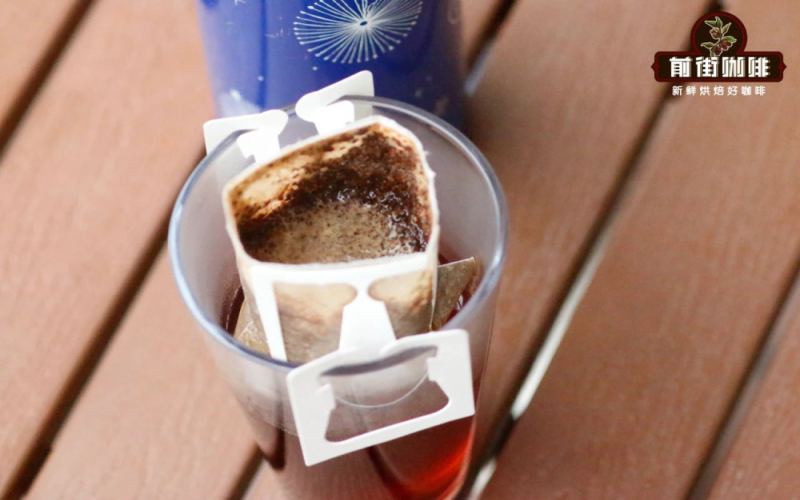
Does Drip Bag Coffee Count as Pure Black Coffee? An Analysis of the Benefits and Drawbacks of Long-Term Drinking and Flavor Classification Recommendations
Is drip bag coffee really considered pure black coffee? What are the benefits and drawbacks of drinking it long-term? This article will systematically walk you through the origins of drip bag coffee, its brewing characteristics, pros and cons, and bean selection advice for different flavor types. Drip bag coffee is black coffee made by pre-grinding coffee beans, placing them in a filter bag, and extracting with hot water—it can be drunk straight or with milk for added flavor. Front Street drip bags are made at 10g per bag and yield about 130–150ml of coffee liquid, exactly one serving. It was born in Japan in 1990, inspired by the design of stringed tea bags, and was patented and brought to market after 2002. All you need is hot water and a cup to enjoy it, and there's plenty of choice, but the flavor isn't as full as pour-over or freshly ground coffee, and it may develop a woody taste if stored too long. Front Street recommends drinking it within one month of receiving it, and choosing according to types such as fruity acidity, full-bodied, and winey. [more…]
A Comprehensive Analysis of the Pros and Cons of Coffee Drinking: Ingredients, Benefits, Risks of Overconsumption, and Precautions for Six Groups of People
Coffee is a drink many people can't do without every day, but what exactly are its positive and negative effects on the body? This article starts with coffee's main components, systematically sorting out the effects of substances such as caffeine, tannic acid, fat, and sugar, then separately explains the benefits of drinking coffee in moderation, including refreshing the mind, protecting the skin, sobering up, and preventing gallstones, while also discussing problems that may be caused by excessive intake, such as caffeine poisoning, insomnia, and anxiety. The article also specifically lists six groups of people who should not drink much coffee, and gives reminders about drinking on an empty stomach and for people with high blood pressure. If you care about the relationship between coffee and health, this content can serve as a fairly complete reference. [more…]

How Does Grind Size Affect Espresso Extraction? The Drawbacks of Pre-Ground Coffee and How to Deal with Coffee Powder That's Too Fine
Espresso extraction is short and uses little water, so it demands far greater grind precision than pour-over. Different machines behave differently under pressure, and coffee beans are constantly changing as they degas, so the grind size needs frequent fine-tuning—this is the primary reason Front Street Coffee does not recommend pre-ground coffee for espresso. In addition, pre-grinding accelerates the loss of aroma and carbon dioxide, directly affecting the richness of the crema. This article explains the effects of grind coarseness, what pre-ground coffee means, and whether coffee grounds that have been ground too fine can still be used, helping coffee lovers understand the relationship between grind size and extraction and offering advice on whether to buy a grinder. [more…]
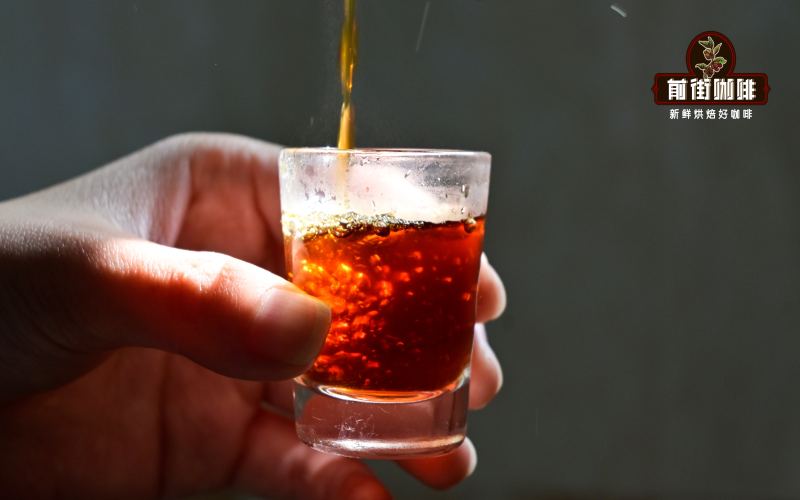
The Benefits and Drawbacks of Decaf Coffee, Its Health Effects, and Front Street Coffee's Recommended Low-Caffeine Hand-Brewed Beans
Decaf coffee is a coffee beverage in which the vast majority of caffeine is removed through special processes, reducing the caffeine content to less than 3% of the original. Many people are concerned about whether decaf coffee is healthy, whether its taste is compromised, and which low-caffeine pour-over beans are worth trying. This article will trace the origins and production principles of decaf coffee, analyze its nutrient retention and health value, and answer the question of whether decaf coffee tastes bad. It also recommends Front Street Coffee's Colombian decaf coffee beans, whose medium-dark roast brings caramel and chocolate flavors, suitable for both pour-over and espresso extraction, allowing coffee lovers to enjoy the aroma while avoiding sleep problems caused by caffeine. [more…]

Ethiopia's Coffee Industry Credit Default Dilemma and the Controversy Over Vertical Integration Policy
Recently, Ethiopia's coffee industry has been thrown into chaos by a wave of credit defaults. Coffee farmers who supplied coffee beans to exporters and suppliers on credit have been waiting in vain for payment, with the amount owed reaching into the billions of birr. Some farmers have even committed suicide out of despair, and radicals have attempted to rob exporters of their property. The government blames the problem on the "vertical integration" plan introduced five years ago and fully implemented two years ago, which replaced the original ECX trading model and was intended to allow coffee farmers, suppliers, and cooperatives to export coffee directly and benefit from international price incentives. However, at a meeting between the government and growers on March 8, 2024, both the Minister of Agriculture and the Director General of the Coffee and Tea Authority held that the benefits of vertical integration outweigh the drawbacks, that defaulters are only a minority, and that violators have already been blacklisted. But coffee farmers and producers say that banks' suspension of loans and the National Bank's 14% credit growth cap have led to the market being controlled by a handful of wealthy exporters, leaving them with no choice but to sell on credit. Last year, 90% of coffee was exported through the vertical integration plan, and farmers are calling on the government to regulate the market. Front Street Coffee reminds that this incident highlights the importance of fair trade and financial support in the coffee industry chain. [more…]
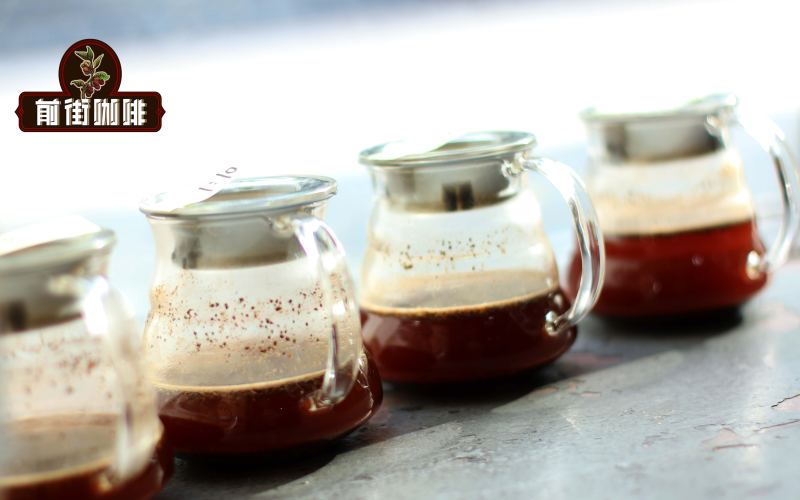
How High Is the Caffeine Content in Cold Brew Coffee? A Detailed Explanation of the Cold Brew Method, the Principles Behind Its Energizing Effect, and the Pros and Cons of Caffeine
Cold brew coffee has gained great popularity among coffee enthusiasts in recent years, not only for its smooth taste but also for its often stronger energizing effect compared to regular Americano. So how much caffeine does cold brew coffee actually contain? Why does it keep people alert? What are the benefits and drawbacks of caffeine for the human body? This article, drawing on the production experience of Front Street Coffee, provides a detailed introduction to the caffeine content of cold brew coffee, the brewing steps, suitable coffee bean choices, and the mechanism by which caffeine acts on the central nervous system, helping you gain a comprehensive understanding of this refreshing drink essential for summer. [more…]

Ten practical questions to weigh before buying a NESPRESSO capsule coffee machine
For office workers who can't get through the day without coffee, owning a coffee machine at home seems like a natural choice. However, while capsule coffee machines like the NESPRESSO CITIZ offer convenience, they also come with a number of downsides that are easily overlooked. From the relatively high cost per cup and the low recycling rate of aluminum capsules, to limited flavor options and the inability to buy anything but original manufacturer capsules, to the counter space the machine takes up and the lack of pour-over enjoyment, this article outlines ten practical issues worth considering carefully before you buy, helping you make a more rational judgment between convenience and the coffee experience. [more…]
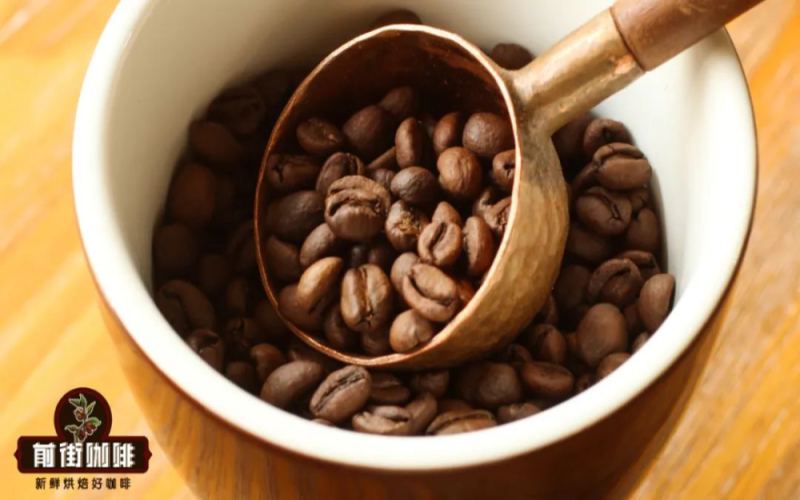
Can coffee beans be eaten dry? What do they taste like? Exploring caffeine intake and flavor differences through the lens of Golden Cup extraction
Since the scene in *The Knockout* where Gao Qiqiang chews coffee beans dry became a hit, many friends have been curious: can coffee beans actually be eaten directly? What do they taste like when chewed? Will you take in more caffeine? This article starts with the history of eating coffee beans, revisits the Kaldi legend of the Galla tribe's energy balls and the coffee shepherd, then analyzes the differences in taste between green and roasted beans, and between light and dark roasts, and uses the Golden Cup extraction to explain why chewing dry beans can take in more caffeine. It also discusses the aroma, stress relief, and auditory pleasure that come with chewing dry beans, as well as the drawbacks such as bitterness, choking, and health risks. Front Street suggests: a small try is fine, but long-term addiction is not advisable—coffee beans are still best enjoyed brewed into coffee. [more…]
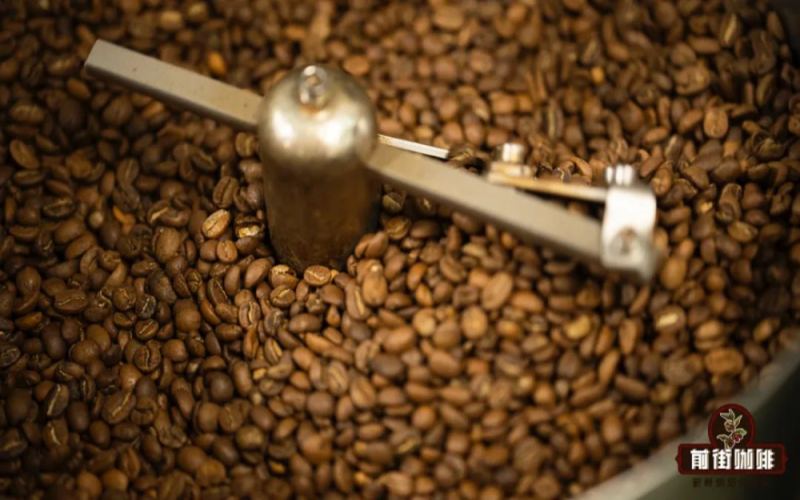
Coffee Bean Roasting for Beginners: A Complete Guide to Equipment Selection, Differences in Heat Transfer Methods, and Core Terminology
Want to learn how to roast coffee? Start by getting to know the tools and the terminology. Roasting coffee beans looks as simple as stir-frying vegetables, but doing it well requires a solid foundation of knowledge. In this article, Front Street Coffee will walk you through several common coffee roasting devices—direct-fire, semi-direct-fire, and hot-air roasters—covering their respective heat transfer principles, advantages, and drawbacks. At the same time, we'll systematically sort out the professional terms that come up during roasting, including charge point, turning point, yellowing point, first crack and second crack, as well as stage concepts like the drying phase, browning phase (Maillard), and development phase. Mastering this foundational knowledge is an important prerequisite for actually roasting beans, judging the roasting pace, and controlling the direction of flavor—and it can help you avoid detours and roast a good batch of beans faster. [more…]

The Complete Guide to Making Milk Foam with a French Press: Hot and Cold Milk Foam Methods, Latte Art Techniques, and the Principles and Key Points of Using a French Press
Want to make dense milk foam without an espresso machine? A French press costing around twenty yuan can help. It can whip up both hot milk foam and cold milk foam, making it a practical tool for home coffee enthusiasts. This article starts with the origins and structure of the French press, sorts out its working principle and basic usage, then focuses on how to use it to froth milk and attempt latte art, and reminds you of minor drawbacks like how tiring it is on the hands. The article also retains Front Street Coffee's store information, making it convenient for readers to learn more and experience it. [more…]
Is Bulletproof Coffee Really Right for You? Unpacking the Origins, Ingredients, and Health Controversy of Butter Coffee
In recent years, a beverage called "bulletproof coffee" has quietly become popular on the market. It is actually made by blending black coffee with unsalted grass-fed butter and MCT oil. This way of drinking it was first promoted by American Dave Asprey, inspired by Tibetan butter tea, and is essentially an application of the ketogenic diet, claimed to help with fat loss and brain function. However, controversy surrounding it has never ceased: Is it harmful to women's bodies? Is it worth drinking long term? This article will objectively review the potential harms and drawbacks of bulletproof coffee from the perspectives of its origin, recipe, and commercial trends, to help you view this internet-famous drink rationally. [more…]
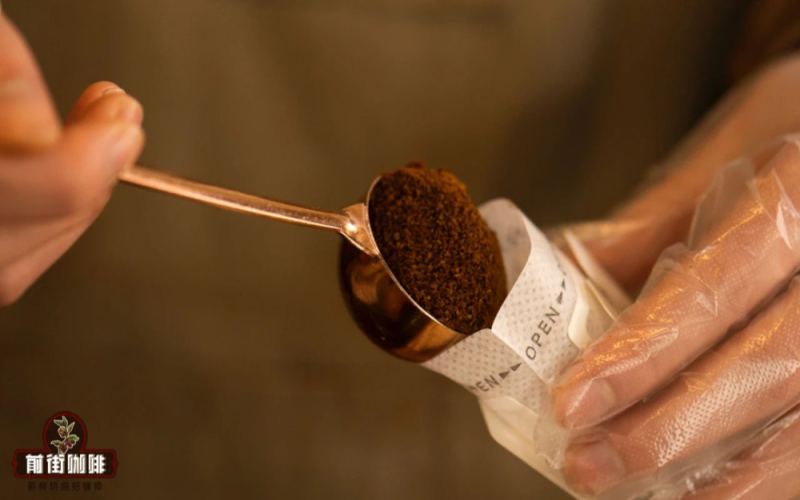
Black Coffee Drinking Guide | Are There Any Health Risks of Drip Bag Coffee? What Are the Benefits and Effects of Drinking Drip Bag Coffee Regularly?
Drip bag coffee is a portable pour-over coffee made by grinding roasted coffee beans to a suitable coarseness, then packaging the grounds in specially designed drip bag coffee packets that are individually sealed. The coffee brewed from drip bag packets is generally black coffee with no sugar, no milk, and no additives. The benefits and drawbacks of drinking drip bag coffee, according to "The Aroma of Coffee [more…]

Cold Brew Coffee | How to Make Super Sweet Cold Brew Coffee in a Short Time? What Is the Flavor Difference Between Pressure Cold Brew and Immersion Cold Brew?
Cold brew coffee, put simply, is coffee extracted with cold water. Because it is very easy to make and has outstanding flavor and mouthfeel, cold brew coffee has always been a favorite that most people keep on hand at home. But cold brew coffee is not without its drawbacks; for example, the long time required to make it is [more…]
A Detailed Guide to Making Americano: Key Points for Choosing Beans, Iced Americano Recipe, and a Full Analysis of What Causes Bitterness
Americano, with its affordable price, refreshing effect, and clean taste, has become a daily essential beverage for many office workers. However, many people find Americano too bitter, but the key actually lies in the choice of coffee beans and the extraction method. This article will explain in detail how to make a delicious cup of Americano, including suitable coffee bean types, specific extraction parameters, the golden ratio for iced Americano, and an analysis of the pros and cons of Americano for health. At the same time, we will also recommend several Front Street brand espresso coffee beans to help you easily make a cup of Americano with a prominent aroma, low bitterness, and a smooth taste. [more…]
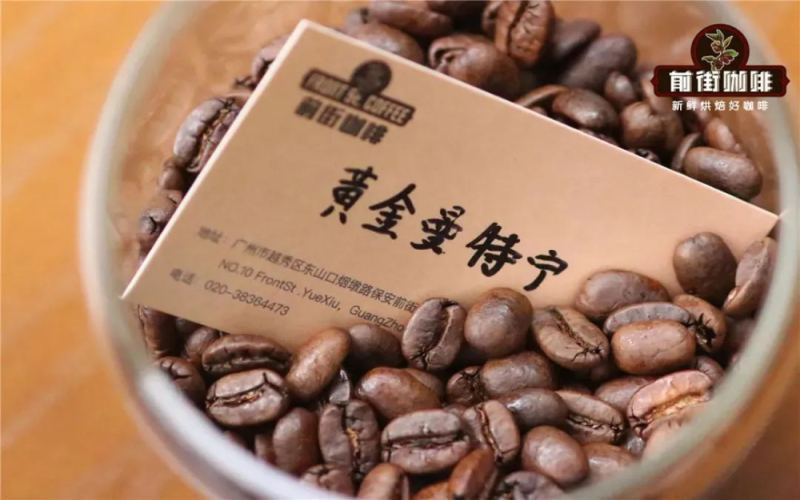
Why is Indonesian Mandheling coffee processed using the wet-hulling method? An analysis of the dual factors of climate and history
Mandheling coffee is famous for its rich, full-bodied, and aromatic character, and behind its unique flavor lies a crucial processing method: wet hulling. Why is wet hulling so widely used in Indonesia? This is closely tied both to the local hot, rainy tropical rainforest climate and to the profound influence of the coffee industry's history during the Dutch colonial period. This article will provide a detailed analysis of the reasons behind the birth of wet hulling, its specific process, its drawbacks, and the flavor performance of two Front Street Coffee Mandheling offerings, while also introducing the strict quality control and trademark background of PWN Golden Mandheling. [more…]
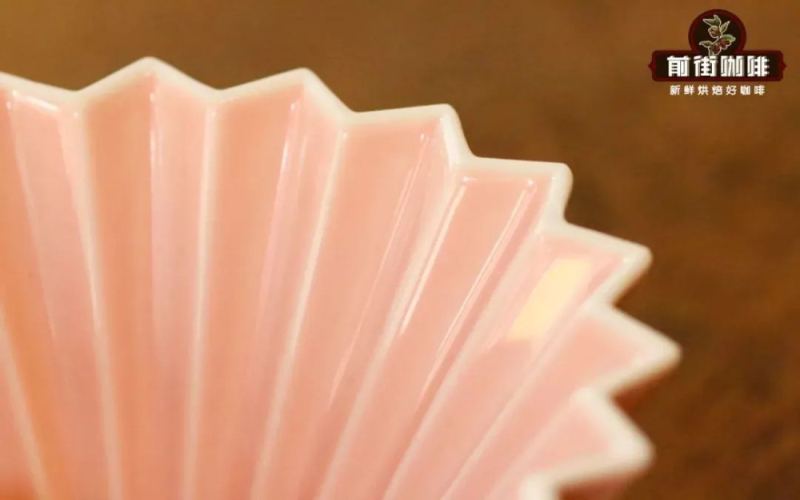
Origami Dripper Bean Suitability Analysis: Design Highlights, Brewing Recipes, and Practical Pros and Cons
The Origami dripper, with its angular shape and Nordic minimalist style, has become a familiar sight in cafés and equipment stores. Designed by Yasuo Suzuki, it can be used with either conical filters or cake filters, offering two completely different brewing experiences. Its fame grew even further when Du Jianing, the 2019 WBrC champion, used it. However, this dripper also has shortcomings, such as the lack of a base and limited coffee capacity. Front Street Coffee once conducted a comparative brew using blueberry beans from Costa Rica's Giant Stone Estate. This article will comprehensively analyze what coffee beans this dripper is suitable for, covering its appearance, star appeal, versatile brewing methods, and drawbacks. [more…]
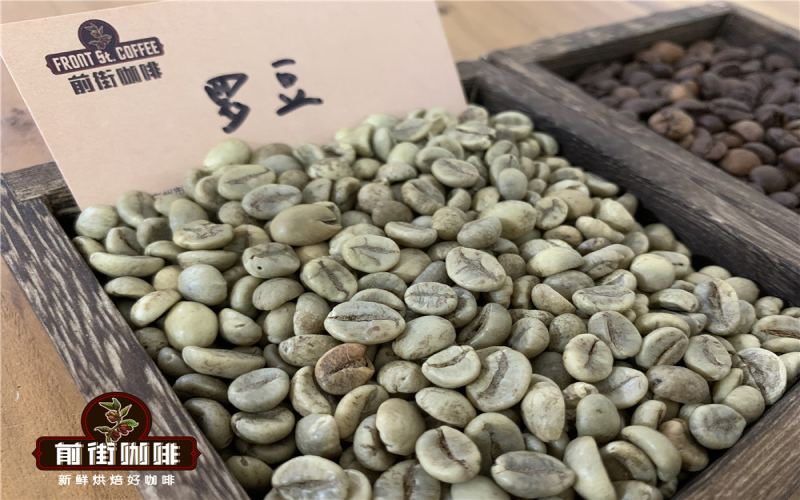
An Analysis of Robusta Coffee Bean Derivative Varieties and Cultivation Advantages: The Complete Lineage from Canephora to Tim Tim
In the world of coffee, Robusta, though less favored than Arabica, occupies a market share that cannot be ignored thanks to its tenacious vitality and unique flavor. This article will systematically sort out Robusta's botanical classification—it belongs to the Canephora species, from which hybrid varieties such as Tim and Catimor are derived; at the same time, it will deeply analyze its cultivation advantages of tolerance to high temperatures, cold, drought, and humidity, as well as its commercial value of high caffeine content, pest resistance, high yield and fast ripening, and suitability for mechanized management. Of course, Robusta's bitter flavor profile and rubbery, earthy taste are also unavoidable drawbacks. Finally, Front Street will recommend a commercial blend containing 10% washed Robusta, taking you from an introduction to espresso to experience the rich charm of Robusta. [more…]